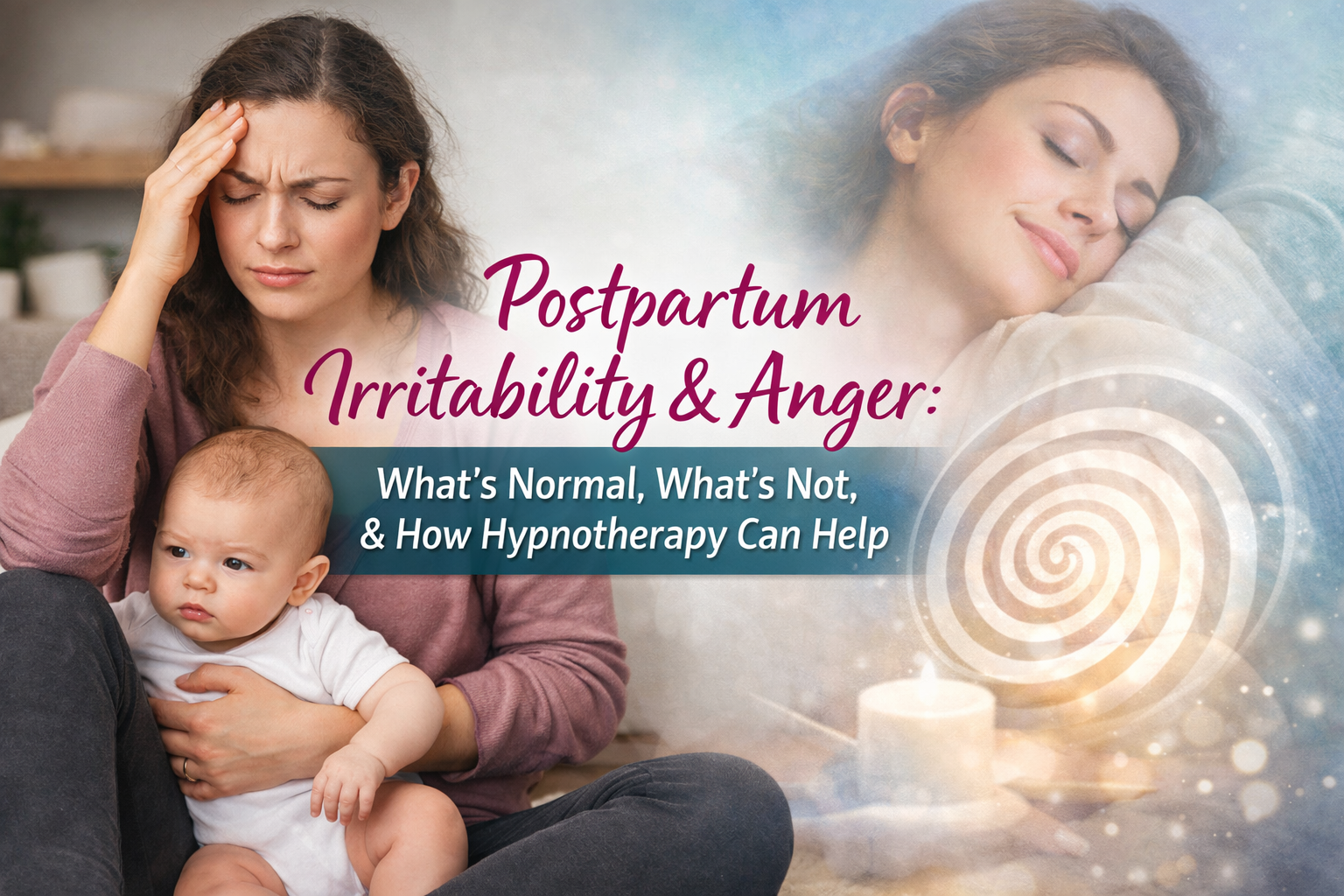
You prepared for sleepless nights and mood swings—but no one warned you that anger might show up, too. Snapping at your partner, feeling constantly on edge, or getting overwhelmed by tiny things can feel scary and isolating. The truth? Some postpartum irritability is common—but not all of it should be ignored.
1. Irritability after birth is common—but it has a range
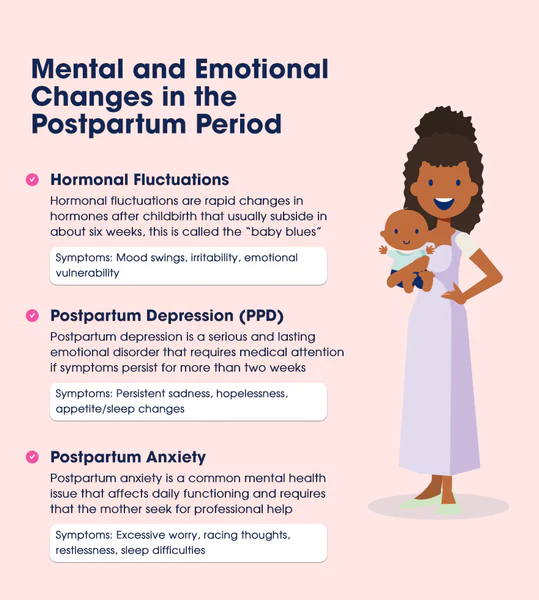
Hormonal shifts, sleep deprivation, and the identity shock of becoming a parent can make emotions feel sharper than usual. Feeling impatient, tearful, or easily annoyed in the early weeks postpartum is often part of adjustment. What matters is intensity, duration, and whether it’s easing over time or getting stronger.
2. Anger is often a stress response, not a character flaw
Postpartum anger is frequently rooted in a nervous system that’s stuck in survival mode. Constant vigilance, overwhelm, and feeling “on edge” can translate into irritability or rage—especially when your body hasn’t had a chance to fully rest or feel safe. This is why telling yourself to “calm down” rarely works.
3. When anger may signal postpartum anxiety or depression
Postpartum mental health challenges don’t always look like sadness. For many new mothers, they show up as agitation, resentment, or emotional reactivity. If anger feels explosive, persistent, or paired with intrusive thoughts or anxiety, it may be a sign that additional support is needed.
4. How hypnotherapy can help calm postpartum irritability
Hypnotherapy works by helping the nervous system shift out of chronic fight-or-flight and into a calmer, more regulated state. Through guided relaxation and subconscious work, hypnotherapy can reduce emotional reactivity, soften anger responses, and help your body feel safe again. Many mothers find it especially helpful when talk therapy alone hasn’t touched the intensity of their emotional reactions.
5. Support doesn’t mean something is “wrong” with you
Postpartum anger isn’t a failure of gratitude, patience, or love. It’s often a sign of exhaustion, overwhelm, or unresolved stress. Approaches like hypnotherapy, trauma-informed therapy, and supportive counseling can help you feel more like yourself again without forcing you to relive every detail of your experience. Getting help early can prevent burnout and long-term emotional strain.
Reflection question:
If your irritability is your nervous system asking for something, what might it need right now—rest, reassurance, or compassionate support?
Case Study for Treating Post Partum Anger with Hypnosis
I have worked with multiple clients on Anger Management. However, most recently, I worked with a client who had post partum anger. She was a 34 year old female who lived with her husband and a two years old son. At the time of intake, she stated that she has a two months old baby girl who was always up at nighttime.
Both parents were taking good care of the baby like changing diapers on time, feeding, and attending to her needs. However, my client would get so angry when she had to wake up at night to attend to the baby’s needs. Sometimes the baby would cry for no reason or when she had recurrent colic pain. My client’s symptoms were throwing things and objects when angry with the baby, screaming and yelling at the baby. She had to take care of the two years old son too because he would wake up when he heard her mother screaming and yelling.
My client’s husband was also tired of attending to two children in the middle of the night. So I did some hypnotic strategies to teach her calming techniques like diaphragmatic breathing, counting backwards and calming breath exercises. I had three scripts for Anger Management that I did in the live sessions. Additionally, I also gave her the audio files to listen to daily as homework.
My client was not very compliant in the beginning as she had to sleep in to make up for the interrupted sleep at night. Her anger still persisted. She was suggested to listen to the audio daily and gradually, she became more compliant. Within a few sessions of hypnosis, her husband reported significant reduction in the frequency and intensity of her yelling and screaming episodes.
She was calmer and able to take care of the baby well at night. I discharged her after four sessions of hypnosis and she was cured. I did a follow up for weeks and she stated that she began to enjoy the baby more as she was calmer and not so depressed and anxious.
Post Partum depression is characterized by symptoms of Anxiety and Depression and they play a big part in arousing anger in clients diagnosed with Post Partum Depression. In this way we see that Hypnosis is a very effective therapy modality to reduce symptoms of post partum anger, as evidenced by my client’s progress in treatment with Hypnosis.
At Blossom Hypnosis in Rochester, NY, we help adults with Postpartum irritability reduce anger reactivity using hypnotherapy, CBT, and evidence-based approaches.
Ready to gain control over Postpartum anger?
Book a Free Consultation →

Be First to Comment