
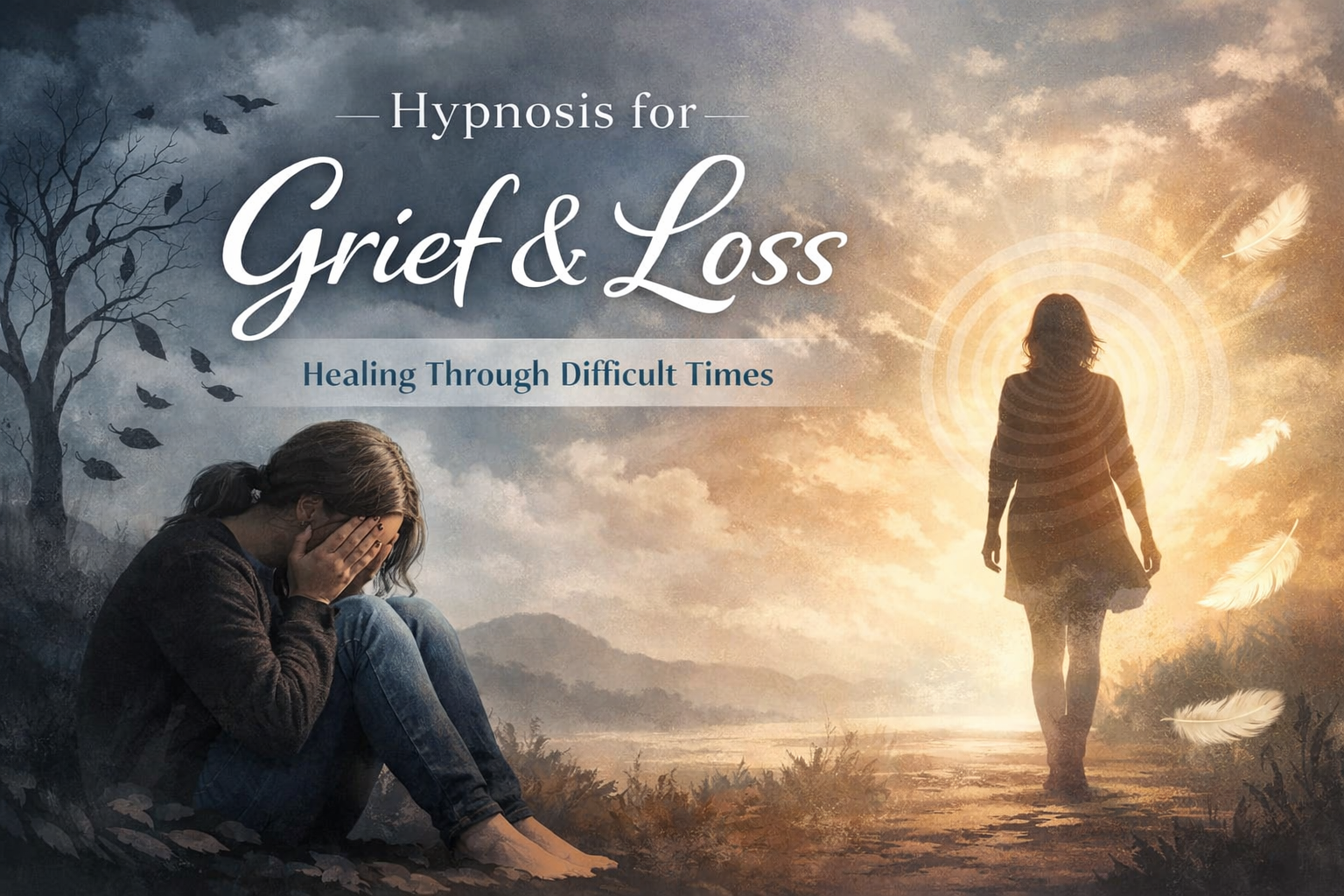
Grief is one of the most universal human experiences—yet it can feel profoundly isolating. Whether the loss is a spouse, parent, child, friend, pregnancy, job, or even a significant life role, grief touches nearly everyone at some point.
Research suggests that approximately 8–10% of bereaved individuals develop Prolonged Grief Disorder (PGD), a condition now formally recognized in the Diagnostic and Statistical Manual of Mental Disorders (DSM-5-TR) published by the Diagnostic and Statistical Manual of Mental Disorders. In the United States alone, this translates to millions of people struggling with grief that significantly impairs daily functioning.
Grief doesn’t just bring sadness. It often triggers anxiety, sleep disturbance, cognitive fog, irritability, guilt, and depressive symptoms. Studies published in JAMA Psychiatry and The American Journal of Psychiatry have found that bereaved individuals have elevated risk for major depressive episodes, anxiety disorders, substance misuse, and even cardiovascular complications in the months following a significant loss.
Understanding the mental health impact of grief—and how approaches like hypnotherapy can support healing—offers hope during an otherwise overwhelming time.
The Psychological Effects of Grief
Grief is not a linear process. While models such as those introduced by Elisabeth Kübler-Ross describe stages like denial, anger, bargaining, depression, and acceptance, modern grief research recognizes that people move fluidly between emotional states.
Common psychological responses include:
1. Anxiety and Hypervigilance
After a significant loss, the nervous system often becomes dysregulated. Research in Psychosomatic Medicine shows that bereavement increases cortisol levels and sympathetic nervous system activation. This can manifest as racing thoughts, panic-like symptoms, or constant worry about future losses.
2. Depression and Emotional Numbness
Meta-analyses show that nearly 30–40% of bereaved individuals experience clinically significant depressive symptoms within the first year. Emotional numbness—feeling disconnected from joy, relationships, or daily life—is also common.
3. Sleep Disruption
Insomnia affects a substantial proportion of grieving individuals. A study in Sleep Medicine Reviews found that disrupted sleep during bereavement predicts more severe long-term depression and complicated grief.
4. Intrusive Thoughts and Rumination
Replaying events, imagining “what if” scenarios, or feeling stuck in mental loops can prolong suffering. Rumination has been strongly associated with persistent grief symptoms in longitudinal research.
Distinct Mental Health Challenges in Grief
While grief is natural, certain patterns signal deeper distress.
Prolonged Grief Disorder (PGD)
Recognized in the Diagnostic and Statistical Manual of Mental Disorders, PGD includes intense yearning, identity disruption, difficulty accepting the death, and persistent emotional pain lasting beyond cultural expectations (typically 12 months for adults).
Survivor’s Guilt
Common in sudden or traumatic losses, survivor’s guilt can fuel self-blame and depression.
Identity Disruption
Loss often shakes core identity—“Who am I without this person?” This existential disruption can create anxiety and disorientation.
Somatic Symptoms
Grief frequently presents physically: headaches, gastrointestinal distress, fatigue, and lowered immunity. Studies have linked bereavement to increased risk of cardiovascular events, particularly in the first month after spousal loss.
Practical Strategies for Maintaining Mental Well-Being During Grief
Grief cannot be rushed—but it can be supported.
1. Stabilize the Nervous System
- Gentle breathing exercises
- Consistent sleep routines
- Limiting caffeine and alcohol
- Light physical movement (even short walks)
2. Reduce Rumination
Cognitive Behavioral Therapy (CBT) techniques help interrupt repetitive thought loops. Journaling can externalize overwhelming emotions.
3. Maintain Social Connection
Isolation intensifies grief. Even low-pressure contact (a short visit, a phone call) buffers against depression.
4. Structured Rituals
Personal rituals—lighting a candle, writing letters, creating a memory space—help integrate the loss.
5. Professional Support
Grief counseling, psychotherapy, and integrative approaches like hypnotherapy can help when emotions feel unmanageable.
The Role of Hypnotherapy in Grief Recovery
Hypnotherapy works with the subconscious mind—the part responsible for emotional memory, conditioned responses, and internal narratives.
During grief, the subconscious often becomes “stuck” in shock, trauma, or unresolved emotional loops. Hypnosis does not erase memories. Instead, it helps:
1. Calm Physiological Stress
Clinical hypnosis has been shown in multiple studies to reduce anxiety and autonomic arousal. A meta-analysis in the International Journal of Clinical and Experimental Hypnosis demonstrated moderate to large effect sizes for anxiety reduction across medical and psychological contexts.
2. Reprocess Traumatic Aspects of Loss
For sudden or traumatic deaths, guided imagery and hypnotic reframing can reduce the emotional charge associated with specific memories.
3. Address Guilt and Self-Blame
Hypnotherapy can help individuals access deeper layers of belief and gently restructure distorted self-perceptions.
4. Improve Sleep
Hypnotic relaxation techniques have demonstrated effectiveness for insomnia in peer-reviewed trials, making them particularly helpful during early bereavement.
5. Support Identity Reintegration
Through guided visualization, clients can begin to imagine a future that honors their loss without being defined solely by it.
Importantly, hypnotherapy is most effective when integrated with broader mental health care—particularly when symptoms meet criteria for major depression or Prolonged Grief Disorder.
Common Objections to Hypnotherapy for Grief
“Isn’t hypnosis just stage entertainment?”
Clinical hypnosis is not stage hypnosis. Professional hypnotherapists use evidence-based techniques within therapeutic frameworks. Clients remain aware and in control.
“There’s no real scientific evidence.”
While more research is needed specifically on grief-focused hypnosis, substantial empirical evidence supports hypnosis for anxiety, pain management, trauma processing, and insomnia—all central components of complicated grief. Major institutions including the American Psychological Association recognize hypnosis as a clinical intervention when delivered by trained professionals.
“Will I lose control?”
Hypnosis is a state of focused attention and heightened receptivity—not mind control. Clients cannot be made to act against their values.
“Shouldn’t grief just be endured naturally?”
Grief is natural—but prolonged suffering is not required. Seeking support does not diminish love or memory; it honors your capacity to heal.
Integrating Hypnotherapy Into a Comprehensive Mental Health Plan
Hypnotherapy works best alongside:
- Talk therapy (CBT, grief counseling)
- Medical care when depression or anxiety are severe
- Social support networks
- Lifestyle regulation (sleep, nutrition, movement)
A trained hypnotherapist can tailor sessions to the individual’s stage of grief, trauma history, and resilience level.
When to Seek Immediate Help
If grief includes:
- Persistent suicidal thoughts
- Inability to perform daily tasks
- Severe insomnia
- Substance misuse
Immediate support from a licensed mental health professional or crisis resource is essential.
Moving Forward With Compassion
Grief is not something to “get over.” It is something to move through.
With evidence-based support, nervous system regulation, cognitive restructuring, and subconscious processing through hypnotherapy, healing becomes possible—without forgetting.
If you are navigating loss and feel overwhelmed, reaching out is a courageous first step. Support is available, and recovery is not about erasing love—it is about learning to carry it differently.
Resources for Further Support
- National Alliance for Grieving Children
- GriefShare support groups
- Local licensed grief counselors and clinical hypnotherapists
- Crisis support services (988 in the U.S.)
If you are in the Rochester, NY area and interested in exploring hypnotherapy as part of your grief recovery, professional guidance tailored to your experience can make a meaningful difference.
You do not have to navigate grief alone.
Ready to gain control over your grief?
Book a Free Consultation →

Be First to Comment