
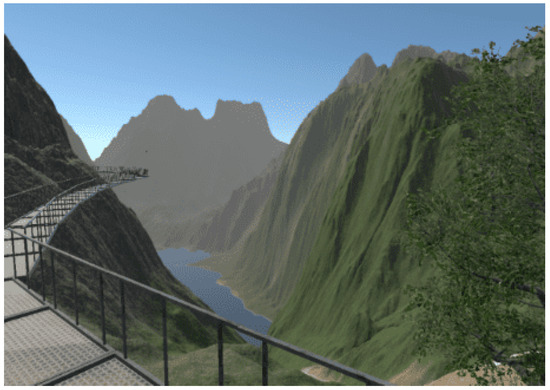
For many people, driving across a bridge or standing near the edge of a mountain trail is mildly uncomfortable. But for others, these experiences trigger overwhelming panic—racing heart, trembling legs, a sense of losing control, or a powerful urge to escape.
Two of the most common yet least discussed environmental fears are gephyrophobia (fear of crossing bridges) and bathmophobia or acrophobia-related fears (fear of steep slopes, mountains, or heights).
These phobias can significantly disrupt daily life—from avoiding scenic family trips to rerouting entire commutes. Fortunately, they are also highly treatable through cognitive, behavioral, and hypnotic techniques that retrain the brain’s threat system.
This article explores what causes phobias of bridges and mountains, why the fear response becomes “stuck on,” and what evidence-based strategies can help people reclaim confidence and freedom.
Understanding the Fear Response: Why Bridges and Mountains Feel Unsafe
1. The Brain’s Evolutionary Alarm System
Bridges and mountains activate ancient neural circuits linked to height awareness, balance, and perceived instability. Even when we are objectively safe, the brain’s amygdala may misinterpret these environments as high-threat situations.
For individuals with related phobias, this creates:
- A rapid fight-or-flight reaction
- Heightened body sensations (dizziness, nausea, trembling)
- Catastrophic thoughts (“I’ll fall,” “This bridge will collapse,” “I’ll lose control”)
Over time, the body learns to anticipate danger, creating a conditioned response.
2. The Role of Past Experiences
Phobias often originate from:
- A traumatic or startling event on a bridge or mountain
- Witnessing an accident or hearing a frightening story
- A panic attack that happened “unexpectedly” in one of these locations
- Exposure to dramatic media images
The brain encodes these experiences as “evidence,” reinforcing avoidance.
3. Perfectionism and Control
Bridges and high slopes challenge our sense of control. People who tend to be analytical, cautious, or responsibility-oriented often report:
- Fear of causing an accident
- Fear of making the “wrong” decision
- Fear of physical instability
This internal pressure amplifies physiological anxiety.
Gephyrophobia: The Fear of Crossing Bridges
What It Feels Like
Clients often describe:
- Feeling trapped while driving on a bridge
- Worry that the structure will collapse
- Fear of veering off the edge
- Dissociation or dizziness when approaching the span
- A desperate urge to escape or turn around
Some avoid bridges entirely, which can disrupt work, family life, and travel.
Why Bridges Trigger Phobic Responses
- Perceived instability or movement
- Exposure to height without a sense of control
- Environmental cues (water, openness, traffic)
- Fear of being unable to stop or turn around
In severe cases, the anticipatory anxiety—the hours or days leading up to a crossing—can be even more intense than the moment itself.
Phobias of Mountains, Steep Paths, and Heights
This fear overlaps with acrophobia, but it often shows up in more nuanced ways:
- Fear of hiking on steep or uneven terrain
- Discomfort driving on mountain roads with drop-offs
- Fear of looking out from overlook points
- Dizziness or imbalance on slopes
Common Cognitive Distortions
- “I could slip and fall.”
- “The edge is too close.”
- “I might lose control of the car.”
- “My body feels unsteady—maybe something is wrong.”
The brain exaggerates the danger, creating a loop between thoughts, sensations, and fear.
Why These Phobias Persist
1. Avoidance Teaches the Brain That Fear = Safety
Avoidance gives short-term relief, but it tells the brain:
“Good job—there was danger. Avoiding was the right decision.”
This strengthens the phobia over time.
2. Sensitization After Panic Attacks
If the individual experienced panic once on a bridge or mountain road, future visits are likely to trigger fear—not because the situation is dangerous, but because the body remembers the panic.
3. Heightened Interoceptive Awareness
Some people are more sensitive to internal sensations, noticing every heartbeat, breath shift, or wave of dizziness.
This sensitivity—though not harmful—can magnify fear.
Evidence-Based Treatments That Work
1. Cognitive Behavioral Therapy (CBT)
CBT helps reframe catastrophic thinking and challenge exaggerated perceptions of danger.
Core components include:
- Reality testing (“What is actually happening?”)
- Rewriting internal narratives
- Separating sensations from danger
- Learning to tolerate discomfort without avoidance
Research shows CBT significantly reduces phobic symptoms for most individuals.
2. Exposure Therapy (Gradual and Controlled)
Exposure therapy retrains the brain by creating safe corrective experiences.
For bridge phobia, exposure may include:
- Viewing images of bridges
- Watching real-life POV videos of bridge crossings
- Practicing being near a bridge without crossing
- Driving partway across with a trusted person
- Eventually crossing independently
For mountain-related fears:
- Standing on gentle inclines
- Walking progressively steeper trails
- Viewing mountain roads from a safe vantage
- Practicing controlled breathing or grounding during exposure
This step-by-step process teaches the brain that the feared situation is manageable.
3. Hypnosis and Hypnotherapy
Hypnosis complements CBT by working directly with the subconscious patterns that sustain phobic reactions.
Hypnosis can help with:
- Reprogramming the fear response
- Reducing anticipatory anxiety
- Strengthening internal safety cues
- Rewriting stored traumatic memories
- Improving balance and grounding sensations
- Building confidence for upcoming exposures
Clients often report:
- Reduced physical tension
- A calmer internal dialogue
- A sense of control returning
Many structured hypnosis sessions use imagery such as crossing a safe, stable bridge or walking a wide, gentle mountain path to create new neural associations.
4. Somatic-Based Techniques
Because these phobias often involve strong physical sensations, body-oriented techniques are highly effective:
- Diaphragmatic breathing
- Grounding exercises
- Progressive muscle relaxation
- Vagal nerve stimulation (gentle tapping, paced breathing)
- Orientation exercises to reduce dizziness or dissociation
These regulate the nervous system, preventing panic escalation.
5. Lifestyle and Self-Management Tools
- Avoid caffeine before anticipated crossings (reduces jitteriness).
- Practice slow, controlled breathing before and during the exposure.
- Use mantras like “My body is reacting, but I am safe.”
- Break crossings into steps (“I only need to drive to that next marker”).
- Travel with a calm companion early in the process.
Small adjustments create a sense of agency and shift the experience from terror to challenge.
When Phobias Connect to Other Conditions
Bridge and mountain anxiety sometimes overlap with:
- Panic disorder
- Vertigo or vestibular issues
- PTSD
- Generalized anxiety disorder
- OCD (intrusive catastrophic imagery)
- RSD (Rejection Sensitivity) traits
A thorough assessment ensures the treatment plan is tailored and comprehensive.
How Hypnosis Helps Rebuild Confidence
Hypnotherapy does not erase fear—it gently rewires it.
Through guided imagery and cognitive restructuring, hypnosis helps clients:
- Access a calm mental state
- Revisit difficult memories from a safe vantage
- Strengthen the belief “I can handle this”
- Visualize successful crossings and internalize that success
- Separate past experiences from future behavior
The subconscious mind becomes more receptive to new patterns when in a relaxed state, making hypnosis a powerful adjunct to traditional therapy.
A Sample Hypnotic Approach (Conceptual)
While each session is personalized, the general flow may include:
- Induction
Slow relaxation guiding the body into a calm, receptive state. - Deepening
Using breathwork or imagery to access deeper focus. - Therapeutic Suggestions
- “Your body knows how to remain steady.”
- “Bridges are structures built for your safety.”
- “With each step or mile, your confidence grows.”
- Imaginal Exposure
Walking or driving across a safe, wide, stable bridge in the imagination.
Visualizing a calm, grounded presence on mountain paths or overlooks. - Anchoring
Creating a physical cue—such as touching fingers together—that triggers calm. - Reorientation
Returning slowly to full awareness with enhanced confidence.
What Success Looks Like
Most individuals do not become thrill-seekers; instead they experience:
- A calmer body on approach
- Clearer thinking during crossings
- Reduced anticipatory dread
- Ability to drive or hike without avoidance
- Increased confidence in daily life
Progress is gradual, but deeply meaningful.
Case Study for Treating Gephyrophobia
As mentioned earlier, hypnosis is a very powerful technique to address several kinds of phobias. I happened to treat a 56 years old male client who had phobias of bridges and mountains. His phobias stemmed from his traumatic childhood and one bad incident when he was driving on a hilly road and he had to stop to take a break. He had a major panic attack and since then he began to avoid driving on hilly roads.
He developed a fear of bridges the same day. I saw him for an intake about three years ago. I devised a treatment plan to first address his traumatic childhood trauma. So I did hypnosis sessions like Emotional Baggage, Negative Memory Release, PTSD Relaxation, Feeling Stuck, and some more like Flashback Relaxation. Once his trauma was resolved, I did a few sessions on the phobia of mountain driving. Subsequently, I did a few sessions on overcoming the phobia of driving on bridges. I gave some ideas of imagery desensitization and Real life desensitization that he practiced on his own.
He was also given a list of various coping statements to handle the symptoms of phobia. My client was very dedicated and he followed through the instructions religiously. The hypnosis scripts also had elements of visualization and desensitization. Additionally, I gave him the audio files of all the hypnosis sessions. He listened to the audios in between two sessions. He was seen weekly for hypnosis sessions to eliminate his phobia and he really made excellent progress.
He was able to drive a small distance in the beginning and then he made small increments to the distance. In the beginning, he drove with a support person then graduated to driving by himself. I also offered some confidence building hypnosis sessions to avoid the onset of panic symptoms while driving on bridges or crossing them. These sessions were instrumental in building up and enhancing his self esteem and level of confidence.
Overall, my client made good progress and he felt that he was confident enough to undertake the venture of driving on mountainous roads and bridges also. He stopped having panic attacks in these situations and became very self confident. In this way, we see that Hypnosis is a very powerful and effective treatment modality to treat phobia of driving or crossing the bridges. Additionally, it is also very effective in eradicating the fear of driving on mountainous roads.
Hypnosis sessions, in my experience, are more effective than just talk therapy as we tap in to the subconscious mind in hypnosis. The subconscious mind tends to retain about 99% of information. The client is in a trance and fully relaxed and the subconscious mind becomes highly receptive to the suggestions being implanted facilitating modification of the client’s behaviors. The progress is rapid and accelerated with hypnosis sessions.
When to Seek Professional Support
You may benefit from therapy or hypnotherapy if:
- You avoid certain bridges, highways, or mountain drives
- You experience panic symptoms while crossing
- The fear disrupts work, travel, or relationships
- You want structured support to reclaim confidence
A licensed mental health professional or certified hypnotherapist can help guide exposure safely and effectively.
At Blossom Hypnosis in Rochester, NY, we offer individualized hypnotherapy and counseling designed to help people overcome phobias.
Ready to transform fear into confidence?
Book a Free Consultation →
Final Thoughts: Reclaiming Your Path Forward
Phobias of bridges and mountains can feel isolating, but they are incredibly common and highly treatable.
With the right combination of cognitive strategies, exposure, and hypnotic support, the brain can learn a new relationship with these environments—one grounded in safety, stability, and trust.
Courage is not the absence of fear; it is the decision to move forward despite it.
Every step you take—whether across a bridge or up a mountain path—is a powerful act of reclaiming your life.

Be First to Comment